

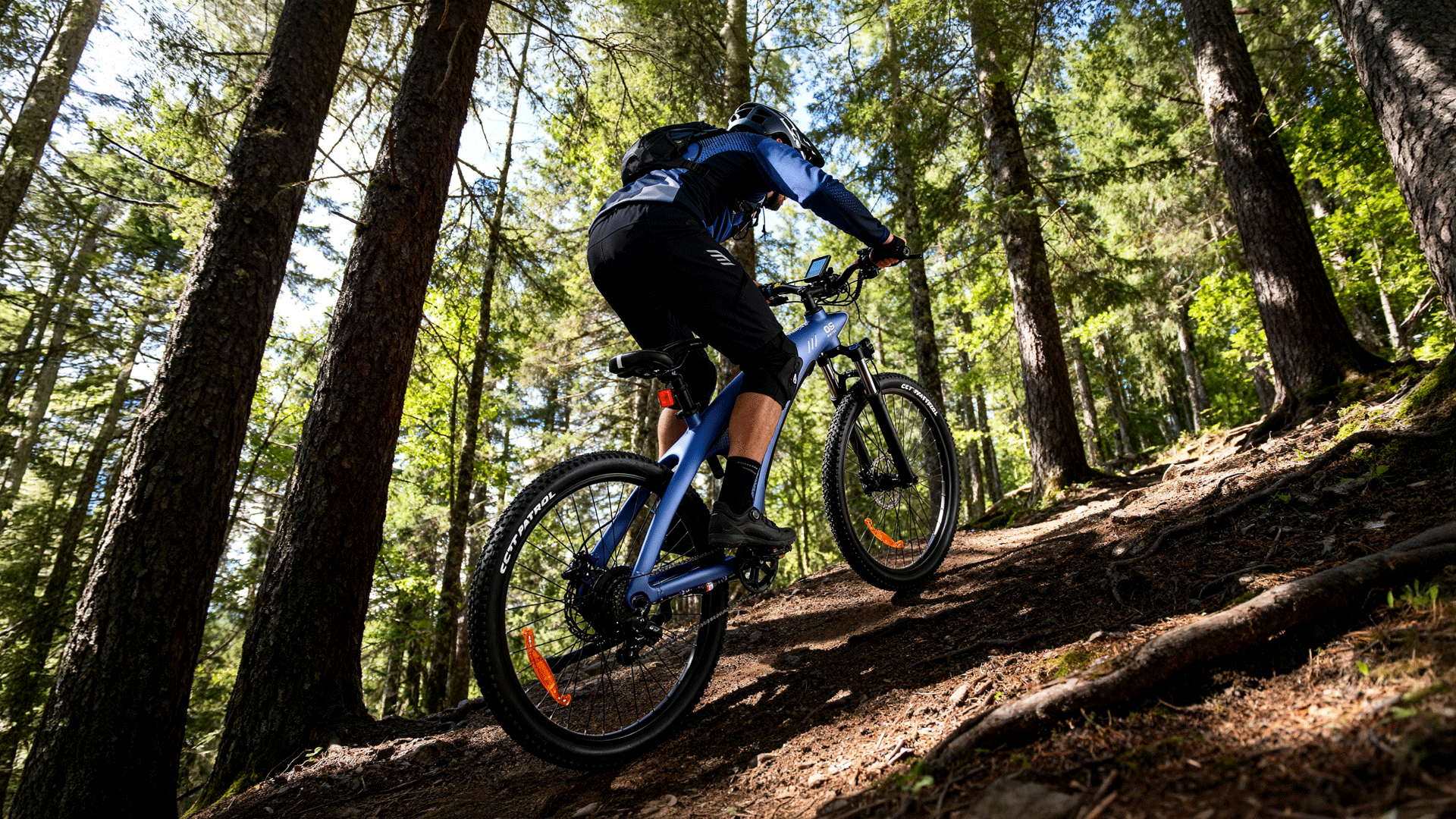
Riding an eBike for the first time in Europe is exciting—but the rules, infrastructure, and riding style can be very different from what many beginners expect. Whether you’re commuting in Amsterdam, exploring Berlin, or cycling through smaller EU towns, understanding the basics will make your ride safer and more enjoyable.

Below are the 10 essential things every first-time eBike rider in Europe should know in 2026.
1. Understand How eBike Assist Modes Work
Most modern eBikes offer multiple pedal-assist levels (Eco, Normal, Sport, Turbo, etc.).
- Eco mode: Maximum battery efficiency, lower assistance
- Normal mode: Balanced support for everyday riding
- Sport/Turbo: Strong acceleration, faster battery drain
In Europe, most legal eBikes are limited to 25 km/h motor assistance (Class 1 / EPAC standard). After that speed, you pedal like a normal bike.
👉 Tip: Start in Eco or low assist mode until you get used to acceleration and braking distance.
2. Learn Local Cycling Rules (They Vary by Country)
Although the EU has shared principles, each country has its own cycling laws.
Common rules across Europe:
- Helmets are recommended but not always mandatory (except for children in some countries)
- Lights are required at night
- Phone use while riding is illegal in most places
Countries like Germany, France, and the Netherlands may differ slightly in priority rules, signage, and road-sharing behavior.
👉 Always check local regulations before riding in a new city.
3. Always Use Bike Lanes When Available

Europe has one of the world’s most developed cycling infrastructures.
- Use dedicated bike lanes (cycle paths) whenever possible
- Follow lane direction signs (some cities have one-way bike lanes)
- Be cautious at intersections—cars may still cross bike lanes
In cities like Amsterdam or Copenhagen, bike lanes are often faster and safer than roads.
4. Learn Proper Urban Cycling Etiquette
Cycling culture in Europe is structured and predictable.
Key etiquette rules:
- Overtake on the left (or according to local rules)
- Don’t block bike lanes when stopping
- Signal turns clearly with hand gestures
- Keep a steady riding line—avoid sudden swerving
👉 Predictability is safety in European cycling traffic.
5. Master Braking Distance on an eBike
eBikes are heavier and faster than normal bicycles, which means:
- Longer stopping distance
- Stronger brake force required
- Higher momentum in emergencies
👉 Always test braking in a safe area before riding in traffic.
6. Parking Your eBike Safely Is Critical
Bike theft is a real concern in many European cities.
Best practices:
- Use a high-quality U-lock + secondary cable lock
- Lock frame to a fixed bike rack
- Avoid leaving it overnight in public spaces
- If possible, use indoor bike storage
👉 Remove battery if your eBike design allows it—this is a major theft deterrent.
7. Battery Range Is Always Lower in Real Conditions
Manufacturers often advertise ideal range (e.g., 100 km+), but real-world factors reduce it:
- Hills and wind
- Rider weight
- Assist level used
- Cold weather
👉 Expect around 60–70% of advertised range in typical European city use.
8. Rain and Weather Riding Skills Matter
Europe’s weather can change quickly.
Important tips:
- Use fenders to avoid water spray
- Ride slower on wet roads
- Increase braking distance in rain
- Wear waterproof clothing if commuting regularly
👉 eBikes are water-resistant, but not fully waterproof—avoid deep puddles.
9. Understand Right-of-Way in Intersections
European intersections can be complex for beginners.
General patterns:
- Cars often yield to cyclists in protected lanes
- Roundabouts require extra attention
- Pedestrians always have priority in crosswalks
👉 Always assume other road users may not see you.
10. Start Slow and Build Confidence Gradually
Your first few rides should focus on:
- Getting comfortable with acceleration
- Practicing braking
- Learning bike lane flow
- Understanding traffic patterns
👉 Don’t use full power modes immediately—control comes before speed.
Final Thoughts
Riding an eBike in Europe is one of the best ways to experience cities efficiently and sustainably. With strong cycling infrastructure and clear rules, beginners can quickly become confident riders—if they understand the basics.
If you're choosing your first model, prioritize:
- Safe braking system
- Comfortable geometry
- Reliable battery range
- Legal EU 25 km/h compliance
How to Choose Your First eBike in 2026 (Europe Complete Guide)
10 Best Short Cycling Routes in Europe for an Unforgettable eBike Adventure